


10 September 2026
The future of brand voice: Look good, sound better
If you ask someone to describe a brand, they'll probably start with what they can see.
The logo, colours, photography. Maybe even the packaging. Businesses have guidelines covering everything from colour palettes to the typeface used in a presentation.
But what happens when that brand speaks?
That's what we'll explore in this series on the future of brand voice – what makes it distinctive and how emerging technologies are changing the way it's created and deployed.
Businesses can communicate across more channels than ever before: multi-format advertising, social media, video, telephony, virtual assistants and, increasingly, AI-powered customer interactions.
Voice is no longer something businesses need to think about for the occasional voiceover. As brands are heard across more interactions, how they sound is becoming as much a part of their identity as how they look. Voice is a brand asset in its own right – one that needs to be defined and managed just as deliberately as visual identity.
That makes one question increasingly important: What should our brand sound like?
Your voice says more than you think
Think about the last time a friend called you. There’s something familiar about their accent, pace, rhythm and tone. You know the difference between their serious voice and their excited one. A single word is often enough to know who’s speaking. Brands can create that familiarity too.
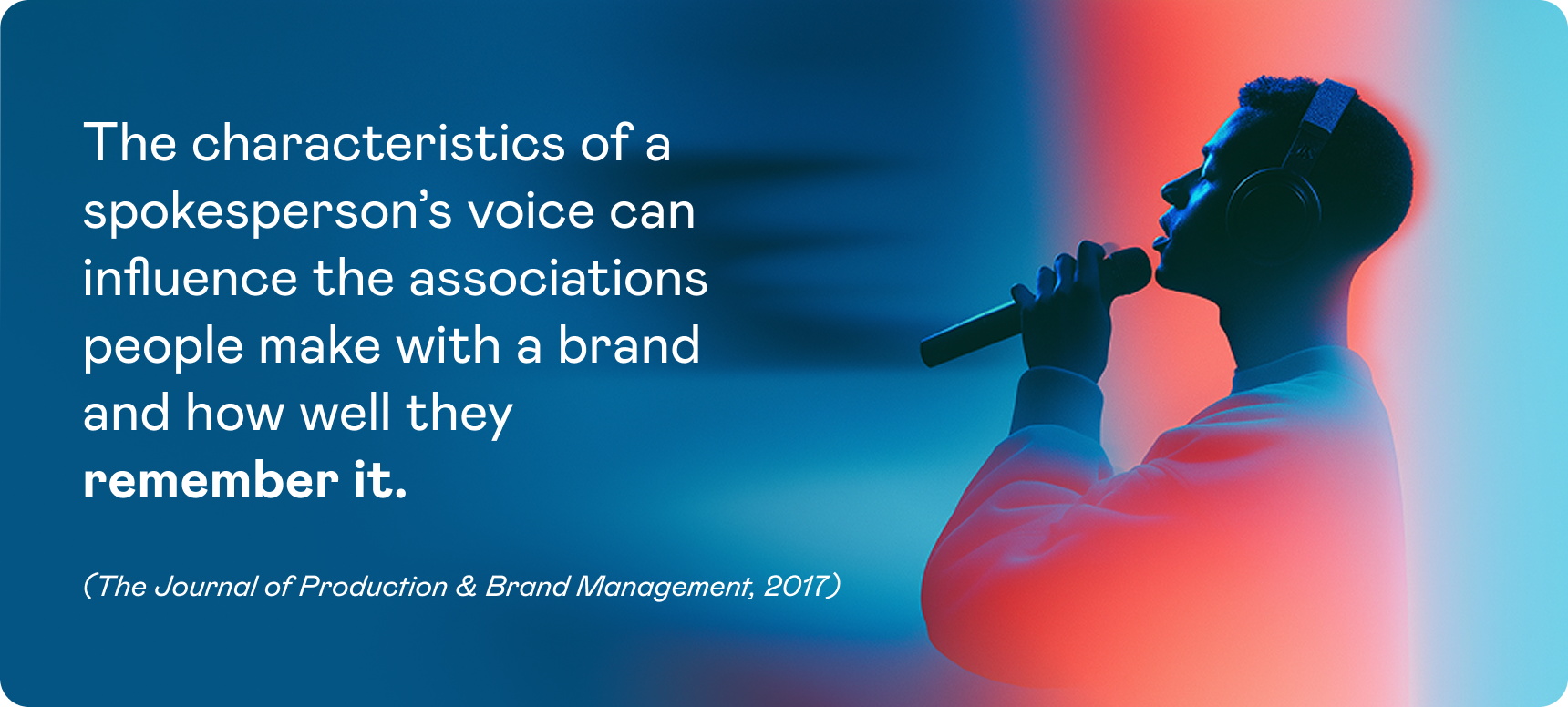
A distinctive voice can give you a sense of a brand’s personality before the message has even registered. It can make a business feel energetic or measured, established or unconventional, warm or authoritative.
And those characteristics matter.
That makes voice more than a production choice. It’s how you’re recognised. Businesses have long understood this idea visually. Voice has the potential to do the same.
So, what should your brand sound like?
There’s no universally “good” brand voice.
A voice that’s perfect for a discount supermarket would feel completely wrong for a luxury hotel. The reassuring tone that suits an accounting firm can’t capture the energy of a sports brand.
The goal isn’t just to sound good. It’s to sound like your brand and capture its very essence.
Take Adidas and Rawlings. Adidas’ voice is energetic, motivational and direct; Rawlings’ is confident, authentic and grounded in heritage. Both sound like themselves. And importantly, they don’t sound like each other.
Accent, tone, pace, rhythm, personality and delivery all contribute to the impression a voice creates. Individually, those decisions may seem small. Together, they create something much more valuable: a recognisable way for a brand to speak.
Consistency you can hear
Strong visual identities work because they’re consistent.
A glimpse of the golden arches as you drive past is enough to know it’s McDonald’s, long before you can read the sign.
When a brand consistently sounds like itself, its identity carries through even when there’s nothing to see.
From advertising and social media to video and the phone, customers experience your brand in all kinds of places. If each of those moments is treated separately, your identity can start to feel fragmented. And as your brand is heard in more places, that becomes a bigger problem.

A brand might need to sound reassuring on a customer call, energetic in an advert and informative in a product demo. The context changes but your identity shouldn’t.
The challenge isn’t sounding exactly the same everywhere. It’s staying recognisable wherever your brand is heard. That means knowing what stays the same, what changes, and how your voice carries from one interaction to the next.
The future of brand guidelines
Businesses have spent decades understanding the value of visual identity. Very few would launch without thinking carefully about their logo.
As companies begin to speak across more channels and technologies, voice is becoming an increasingly important part of the customer experience. People don’t experience brands with their eyes alone. They listen to them too.
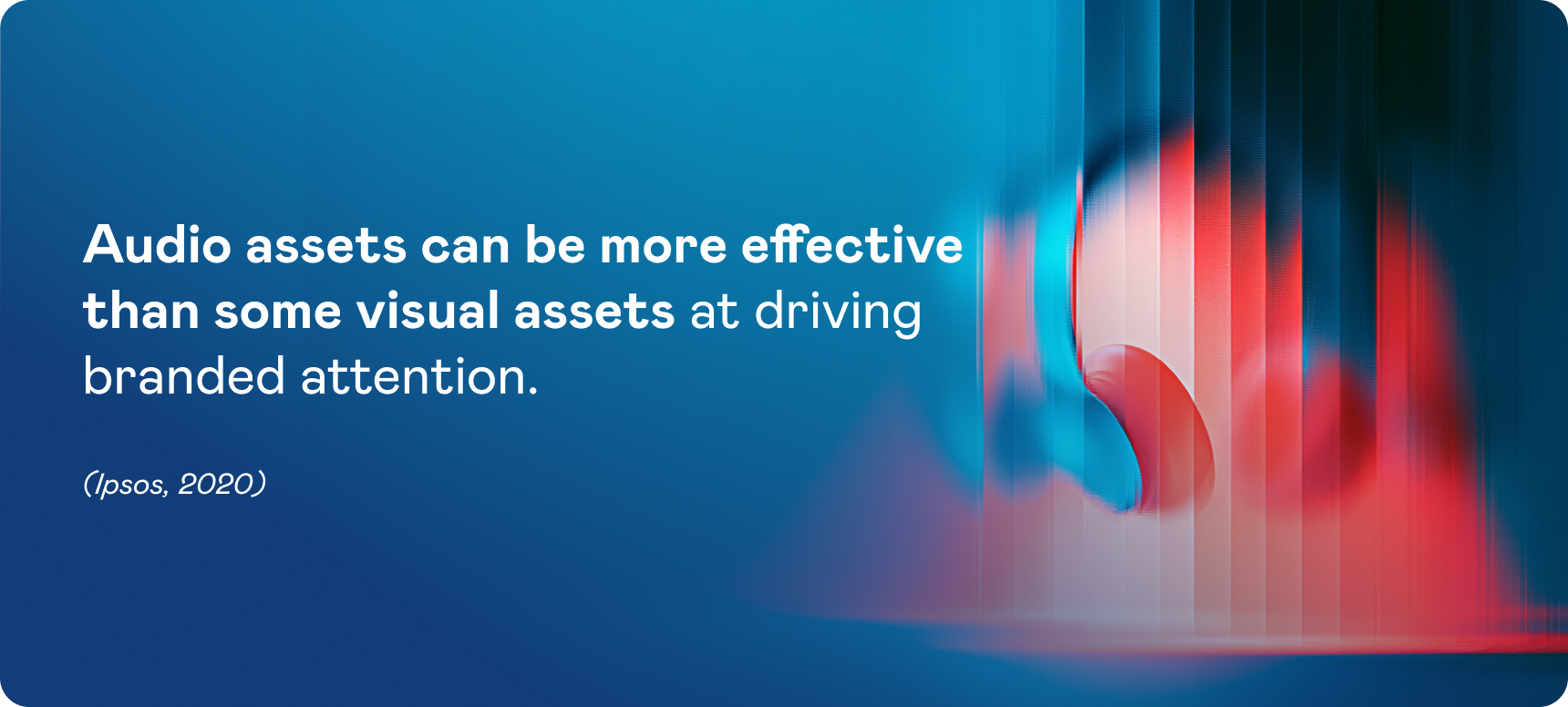
How brands bring that voice to life is changing too. Until recently, that largely meant finding the right human voice to represent them. The possibilities are now much broader. But however it’s created, the fundamental question remains the same: does it sound like you?
Because the next generation of brand guidelines won’t just define how you look. They’ll define how you sound.
Already a client?
New to PHMG?

Related insights
Trends & opinion
The future of brand voice: Finding your voice
Broadly speaking, there are three types of voice that a business can use and adopt: Each is distinctively unique and suited to different environments – …
Trends & opinion
The future of brand voice: Look good, sound better
Businesses can communicate across more channels than ever before: multi-format advertising, social media, video, telephony, virtual assistants and, increasingly, AI-powered customer interactions. Voice is no …
Trends & opinion
Five ways to make your communications smarter, without losing the human touch
So where does AI create the most value for you? Here are five areas worth considering. 1. Give a better first impression Every customer journey …